TL;DR
- PT Panatrade Caraka’s Lombok outing brought together a visit to Sasak Ende, coastal scenery, a boat excursion, snorkeling and shared beach activities.
- Desa Wisata Sasak Ende provided the cultural stop, replacing Desa Sade for this trip.
- A regular Lombok tour can provide the basis for a company outing, with the activity mix and group arrangements adapted to the company.
- The Mandalika and three Gili package below is a planning reference for a land and sea programme, rather than a specification of this company’s booking.
Desa Ende and sea activities on the Panatrade outing
PT Panatrade Caraka’s company outing in Lombok with Sungkar Group Indonesia combined a visit to Desa Wisata Sasak Ende, coastal sightseeing, a boat excursion and snorkeling. Beach games and evening entertainment were also part of the outing.
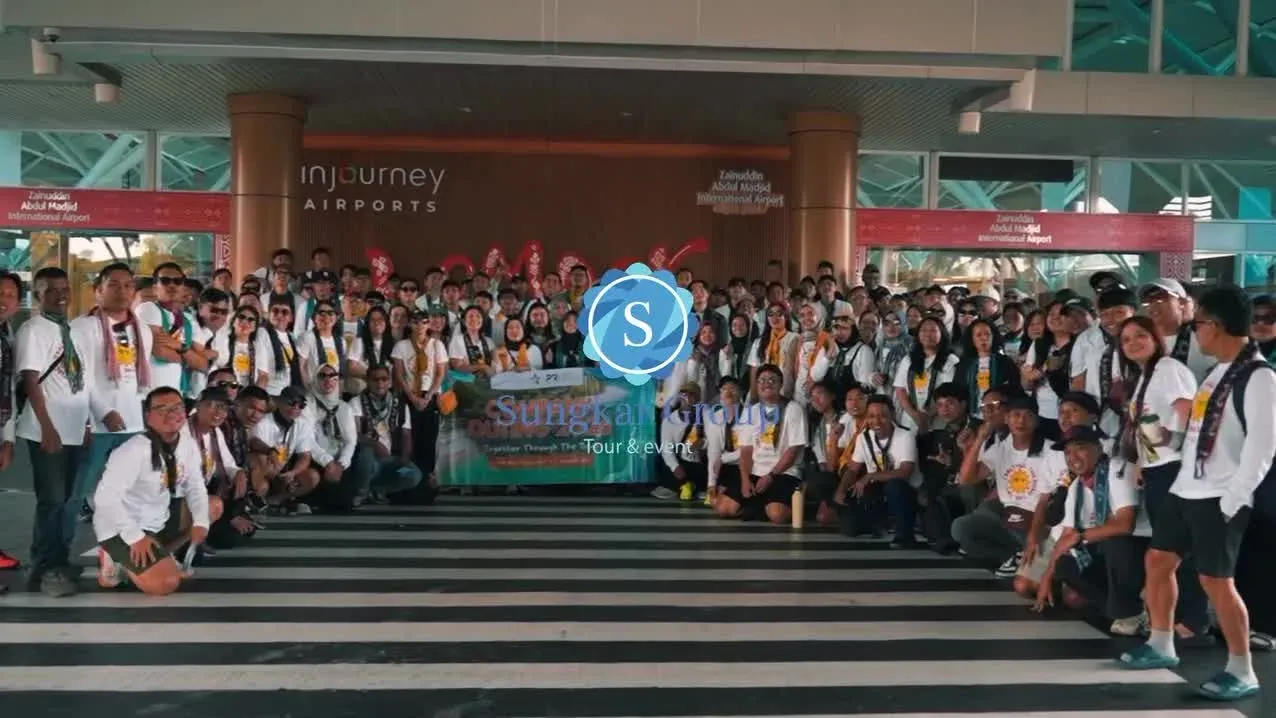
The official tour_lombok reel of PT Panatrade Caraka’s company outing gives a useful sense of that variety. There is an airport group photograph with a banner, a clearly marked visit to Desa Wisata Sasak Ende, coastal hill scenery, a boat outing with lifejackets, snorkeling and games on the sand. Company Outing 2026 banners connect the group scenes to the event.
These are experiences that can sit comfortably within a holiday itinerary. What changes for a corporate group is the way people move together, the balance between shared activities and individual choice, and the care needed around transitions. A beautiful destination still needs a practical meeting point. A good snorkeling opportunity still needs an alternative for someone who prefers to stay out of the water.
For an organiser, that is the most useful starting point in this story: build a trip with enough shared moments to feel like a company outing, while allowing colleagues to enjoy Lombok in different ways.
Sasak Ende adds a different pace
The cultural stop on this outing was Desa Wisata Sasak Ende. The village entrance sign is visible in the reel, giving this part of the journey a clear location. Ende replaced Desa Sade on this particular trip, showing how a familiar Lombok sightseeing route can be adjusted without losing its cultural element.
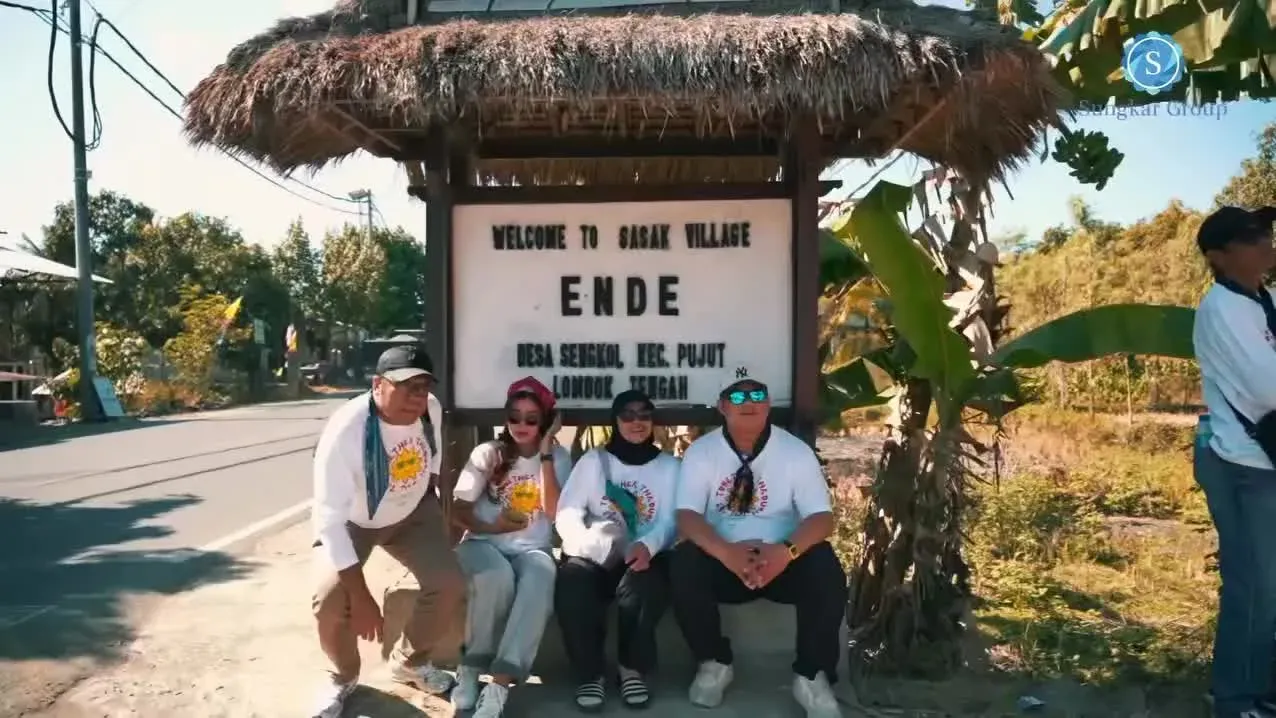
For a company group, a village visit offers a change of attention. Instead of everyone looking out towards the sea or preparing for an activity, the group can focus on the place they are visiting. It is an opportunity to listen, look carefully and ask questions respectfully. The experience deserves enough room in the programme to stand on its own, rather than becoming a quick stop made only for photographs.
When planning a similar visit, ask how the group will be welcomed and guided. A large party may need a different arrangement from a small family. Confirm where participants gather, how explanations can be heard and whether the visit works for colleagues with different walking needs. If the company wants a group picture, agree on an appropriate place without blocking other visitors or local activity.
Clothing and behaviour also belong in the briefing. A simple reminder to dress respectfully, ask before taking close photographs of people and follow local guidance is more useful than a long list delivered at the entrance. Organisers can share this information before departure so the visit begins calmly.
Coastal sightseeing creates shared moments without a competition
The Panatrade reel includes a coastal hill panorama and seaside group photographs. These scenes add an important part of the outing: time together that does not require a contest, a performance or confidence in the water. Looking at the same landscape can be enough of a shared activity.
A coastal stop can suit colleagues with very different interests, but accessibility still needs checking. A viewpoint that looks straightforward in a photograph may involve steps, an uneven path or an exposed section. Before putting it in a company programme, ask about the actual route from the vehicle to the viewing area and about an easier option where needed.
It also helps to give a photography stop a clear shape. Tell participants where they are free to explore, where the group photograph will happen and where they should return. This leaves people room to enjoy the view without turning every stop into a search for missing colleagues.
The sea excursion needs a different kind of preparation
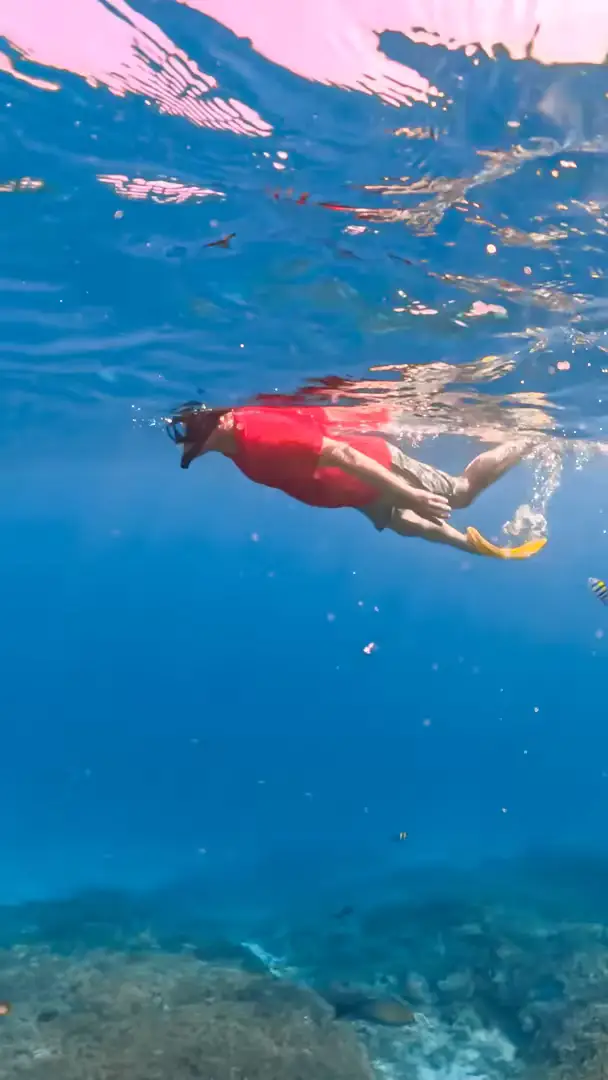
Boat scenes and snorkeling bring a more active element to the Panatrade outing. Lifejackets are visible during the boat excursion, followed by underwater activity. These moments sit alongside, rather than replace, the cultural visit and coastal sightseeing.
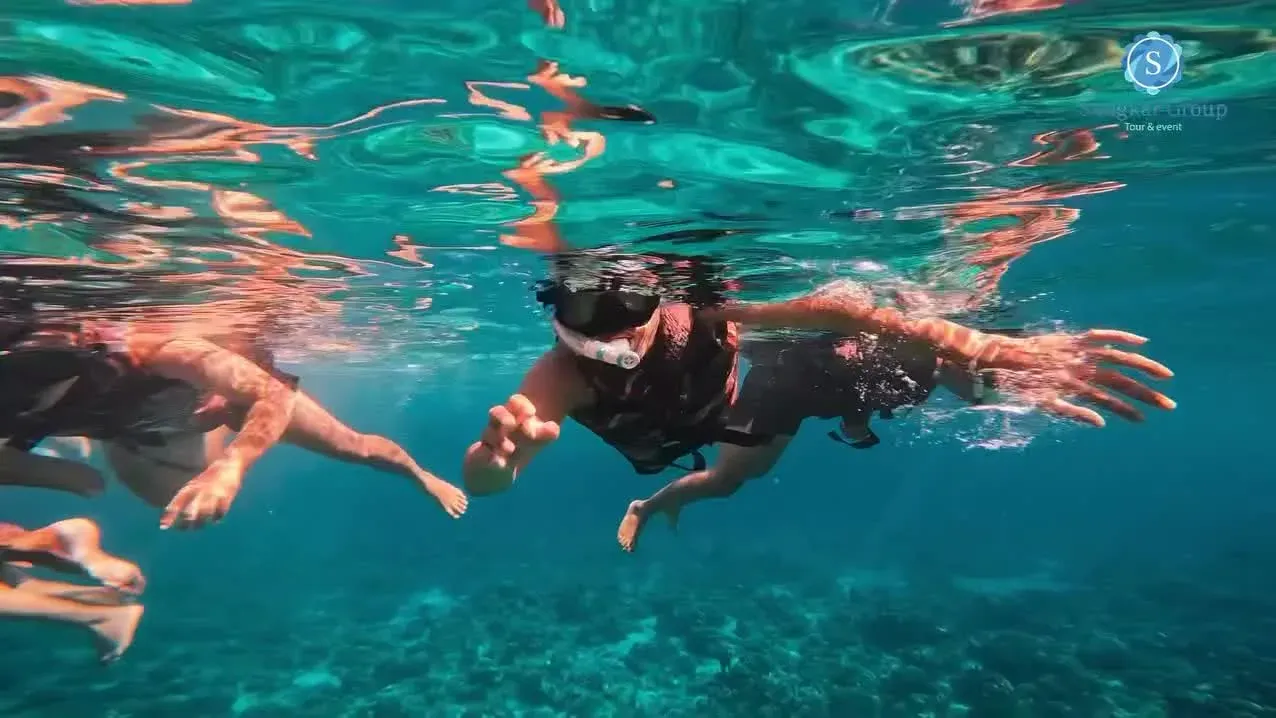
For another company planning a similar mix, the sea component needs its own briefing. Participants should know what the outing involves before they reach the boarding point. Ask about the operator’s instructions, equipment arrangements, boarding procedure and how people who do not snorkel will spend their time. Confirm who will lead the group and who will keep track of participants at each change of activity.
Swimming confidence varies even within a small team. An invitation to snorkel should not feel like a test of enthusiasm for the company outing. Make it easy for colleagues to state their comfort level privately, and arrange the programme so that an alternative feels like a normal choice. Any water activity should follow the operator’s guidance and the conditions on the day.
Practical belongings deserve attention too. Tell people what to carry, where dry items can be kept and how they will handle phones, spare clothes and personal medication. These small details affect how relaxed the group feels. They are better settled before boarding than negotiated once everyone is holding a bag beside the boat.
When designing a sea excursion, select the island stops with the tour team according to the proposed route, activity preferences and operating conditions. Confirm the destinations in the written itinerary so the company can brief participants clearly.
Beach games give the group something to do together
The shared beach activities in this outing use fabric, balls and baskets. Their value within the story is easy to understand: alongside sightseeing and time at sea, colleagues have an opportunity to participate in something together on the sand.
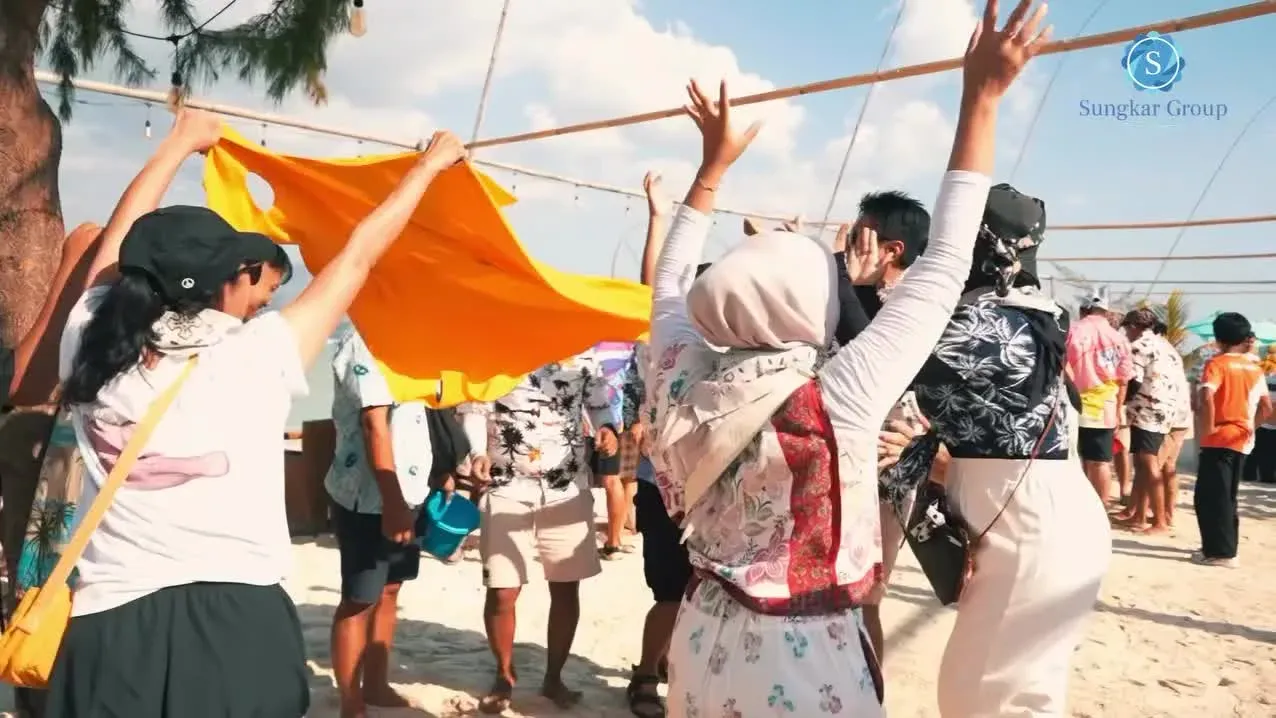
For a future event, begin with the people before choosing the games. Consider whether the company wants light participation, a friendly competition or a short activity that includes almost everyone. Ask about the physical demands of each option. Running, balancing and standing for long periods can affect who feels comfortable joining.
A good activity plan gives participants a clear explanation and a visible place to gather. It also leaves room for those who prefer to watch or support their team. Staff should not have to invent a reason to step aside. Colleagues can still share the experience by cheering, taking photographs or helping with simple roles, provided those roles are offered rather than imposed.
Confirm equipment and facilitation separately with the organiser. Beach games, an event host and other company arrangements should be written into the proposal if requested. Seeing them in another company’s outing does not establish what is included in a standard holiday package.
Evening time can have its own purpose
Nighttime scenes in the Panatrade outing show microphones and entertainment. For a future trip with outdoor activities, an evening gathering can create a different atmosphere: people are seated or gathered in one place, and attention can shift from the destination to the colleagues sharing it.
For an organiser, the useful question is what the company wants from that time. It might be an informal performance, a short welcome or simply a relaxed gathering. Decide this before adding a long series of speeches or games. People who have spent time outdoors may appreciate a lighter programme.
If microphones, sound equipment or a host are required, include those needs in the discussion with the tour team. Check the setting and the intended format together. A compact evening programme is easier to prepare when responsibility for each element is clear, including who provides any company material and who introduces the activities.
Turning a regular Lombok tour into a company outing
This company outing was adapted from a regular Lombok tour itinerary. That makes the Lombok tour package collection a sensible starting point for another organiser: use an existing route to identify the experiences the company wants, then discuss how the group will use them.
The three day, two night Lombok package with three Gili snorkeling and Mandalika is a relevant planning reference because it combines a land and sea concept. Its published duration describes that package. A company should confirm its own schedule, destinations and arrangements in the proposal.
Comparing land and sea activities helps clarify the brief. Land sightseeing usually centres on gathering people at stops and giving them enough time to enjoy each place. A boat excursion adds boarding, water confidence, equipment and changing needs. Combining both can give the outing variety, provided the schedule leaves room for those different movements.
Start by naming the experiences the company values most. If snorkeling is a priority, protect enough room for preparation and the operator’s instructions. If cultural sightseeing matters, avoid treating the village visit as a gap between other stops. If shared games are central, agree how much energy and time people should have for them.
The separate Geotekindo employee gathering story offers another company context to consider. Reading different outing stories can help an organiser identify the format they prefer, while keeping the final brief specific to their own colleagues.
A clearer brief makes the proposal easier to review
Before requesting a proposal, prepare the expected group size, preferred travel window and the activities the company wants to prioritise. Add any mobility needs, dietary requirements and concerns about water activities. These details help the tour team propose an arrangement that people can actually enjoy.
Ask for the route and group arrangements in writing. Review meeting points, responsibility for participant coordination, meal arrangements and the treatment of optional activities. If the company requests games or an evening programme, make sure those items appear clearly in the proposal, with their inclusions and any separate charges.
Finally, choose a company contact who can gather decisions and share one consistent briefing. Participants should know what to wear, what to bring and how to contact the coordinator. A thoughtful outing does not require filling every available moment. It requires a clear programme and enough breathing room for people to take part comfortably.
To develop a similar mix of Sasak culture, coastal sightseeing and sea activities, contact the Lombok tour team with your group’s priorities. Use Panatrade Caraka’s outing as inspiration, then shape a programme around the people who will attend.
Questions when planning a similar company outing
Did Panatrade Caraka visit Desa Sade or Sasak Ende?
The cultural stop was Desa Wisata Sasak Ende. Ende replaced Desa Sade for this trip, so organisers interested in a similar visit should discuss Ende explicitly when preparing their route.
Can colleagues who do not snorkel still join the outing?
A company can plan a programme with choices for different comfort levels. Ask the tour team to explain the arrangements for non-snorkelers before confirming the sea excursion, including where they will spend their time.
Are the beach games and evening entertainment included in the linked package?
They need to be discussed and confirmed in the company proposal. The linked package is a reference for planning a Lombok route; event activities and equipment require their own agreed scope.
How should we use this story when requesting a proposal?
Identify the parts that interest your company, such as Ende, coastal views, snorkeling or beach activities. Then share your preferred dates, expected group size and participation needs so the team can propose a suitable programme.